Eben Alexander on the Interconnectedness of All Minds
The focal point of this podcast episode centers on the profound insights derived from Dr. Eben Alexander's near-death experience, which fundamentally reshaped his understanding of consciousness and existence. Throughout our conversation, we delve into the intricate relationship between science and spirituality, as Dr. Alexander elucidates the limitations of materialist thought in explaining the complexities of human consciousness. He articulates a vision of a unified consciousness that transcends individual existence, urging listeners to reconsider the implications of their beliefs regarding life, death, and the interconnectedness of all beings. This episode serves not only as an exploration of Dr. Alexander's transformative journey but also as a clarion call to embrace a more expansive worldview that encompasses love, compassion, and the shared essence of humanity. As we navigate these profound themes, we invite you to reflect on your own perspectives and the potential for personal growth that arises from such explorations.
The podcast unfolds a profound dialogue centered around the transformative experiences of Dr. Eben Alexander, a neurosurgeon whose near-death experience radically altered his understanding of consciousness and reality. Dr. Alexander recounts his harrowing battle with E. Coli meningitis, which led him into a coma where he encountered a vivid, otherworldly dimension. In this realm, he experienced a profound sense of interconnectedness and unconditional love that transcended his previous materialist beliefs. This spiritual journey catalyzed a reassessment of his scientific worldview, challenging the deterministic perspectives he once held. The discussion delves into the implications of his experiences for humanity, emphasizing the necessity for a collective awakening to the shared consciousness that binds all beings, and the urgent need to address global crises stemming from a false sense of separation. Through his narrative, Dr. Alexander invites listeners to explore the convergence of science and spirituality, and the potential for a unified understanding of existence that fosters compassion and cooperation among all people.
Takeaways:
- The pervasive issues of warfare and violence in the world stem from a materialist worldview that fosters a false sense of separation among individuals.
- A unified perspective encompassing the interconnectedness of consciousness is emerging, promoting a shift towards a more holistic scientific understanding of reality.
- Dr. Eben Alexander's near-death experience revealed profound insights about the nature of consciousness and the continuity of existence beyond physical life.
- The implications of quantum physics challenge traditional views of determinism, suggesting that consciousness and reality are more intricately linked than previously acknowledged.
- There exists a significant correlation between meditation practices and the dissolution of the ego, akin to the experiences reported during psychedelic states.
- A collective shift towards recognizing our shared humanity is essential for addressing global challenges and fostering a more compassionate society.
Mentioned in this episode:
Deadly Departed AD
Join us on Paranormal Daily News
Deadly Departed AD
Join us on Paranormal Daily News
Deadly Departed Post Ad
Visit us at paranormaldailynews.com
Transcript
I mean, to me, all the big problems of the world today, all the warfare and violence, you know, in places like Ukraine, Middle East, Sudan, are all due to the false sense of separation inherent in materialist thought.
Speaker A:And so as this worldview that shows a unified oneness of mind that we all share, and that is the scientific worldview that's taking over now.
Speaker B:Welcome to the Deadly Departed podcast, where the veil between the living and the dead is just a whisper away.
Speaker B:I'm Jock, and along with my colleagues in Paranormal Daily News, we will be your guides through the shadowy realms of the paranormal and the unexplained.
Speaker B:In each episode, we will dive into the eerie and the enigmatic with the help of today's leading experts in parapsychology, science and the supernatural.
Speaker B:Prepare to uncover the secrets that lurk in the dark and explore the mysteries that defy explanation.
Speaker B:Let's embark on this journey now.
Speaker B:Good morning, good evening, good afternoon, ladies and gentlemen.
Speaker B:This is, this is Deadly Departed.
Speaker B:Thank you for joining me again on Deadly Departed.
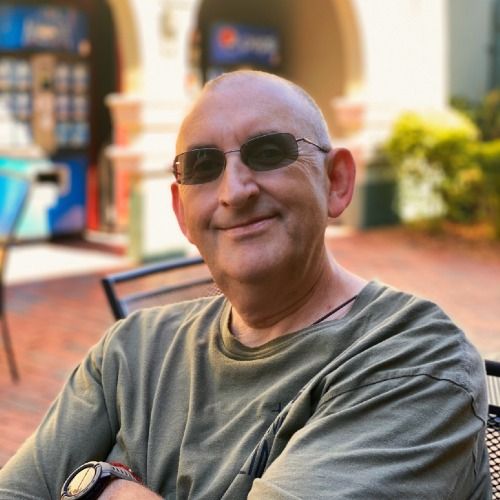
Speaker B:And today, as you can see, if you don't know who this man is, then you've been hiding under a rock.
Speaker B: , many years ago, way back in: Speaker B:A lot of things have changed.
Speaker B:A lot of things have changed in the world.
Speaker B:A lot of things changed with Dr.
Speaker B:Even Alexander, who, if you don't know him, he is, I don't know if he's still, if you're still a neuroscientist, you know, a neurosurgeon, but you had a near death experience, your whole world changed, you've written a number of books.
Speaker B:I've been really excited about this conversation because I think we're going to take it in a new direction from what we can.
Speaker B:What other people have discussed before, something I'm passionate about.
Speaker B:But I know there's a lot of people, there's a lot of researchers and experiencers that listen to Deadly Departed.
Speaker B:Eben, welcome to Deadly Departed.
Speaker B:Thank you for being with me.
Speaker A:Well, Jacques, thanks so much for having me on.
Speaker A:It's great to catch up with you again.
Speaker A:It has been a few years, but I'm glad we'll have a lot to catch up on for sure.
Speaker B:Absolutely.
Speaker B:Absolutely.
Speaker B:There's been, you know, you've been on Oprah, you've been all over the world, everybody.
Speaker B:And there's probably people out there who are coming through the world and don't know who you are.
Speaker B:Let's give them A little oversight.
Speaker B:I mean, I'm always, you know, I can always give a little oversight to who you are.
Speaker B:I can introduce you, but I think it's better that you introduce yourself, because it is your life, your experience, and it's your energy there.
Speaker B:So if you'd like to tell everybody a little bit about your experience, who you are, and then we're going to get right in an awesome conversation.
Speaker A:Well, I think it's important to start out with, you know, my origins.
Speaker A:And for one thing, very important part of my story was I was adopted.
Speaker A:My birth mother was 16 and unwed.
Speaker A:And when I was 11 days old, social services took me from her, and she thought she'd get me back right after Christmas.
Speaker A:Well, that didn't really work.
Speaker A: Back in: Speaker A:But she wasn't willing to sign the papers to give me up, so that stuck me in a baby dorm for four months.
Speaker A:Now, I'm not looking for sympathy, but I will tell you that spending your first four months in a baby dorm is.
Speaker A:Is not ideal.
Speaker A:And there was some kind of deep subconscious questions in my life as to whether or not I was even worthy of love.
Speaker A:My own birth mother had left me behind.
Speaker A:Anyway, that's kind of the starting point.
Speaker A:I was adopted into a wonderful, loving family.
Speaker A:My adoptive father was a globally renowned neurosurgeon.
Speaker A:And, you know, they honored all my hopes and dreams.
Speaker A:And my father, it turns out he was a combat surgeon in the Second World War in the Pacific theater.
Speaker A:He was overseas for about two and a half years, and he came back relatively unscathed from his time in New Guinea, Philippines, and then Japan.
Speaker A:And I think it's because he had a very strong belief in God.
Speaker A:In fact, I still have his little pocket Bible, New Testament Psalms, that he had in his pocket the whole time he was overseas, right at my bedside, which I just.
Speaker A:I find very comforting.
Speaker A:And at any rate, but I wanted to believe, you know, what he believed.
Speaker A:He believed in God and the power of prayer.
Speaker A:He used it in his neurosurgical work for healing patients.
Speaker A:He never doubted the reality of God.
Speaker A:And yet, like me, who grew up in the 60s and 70s like I did, I always knew that science is the pathway to truth.
Speaker A:And of course, the mistake I made is similar to a mistake many people make, and that is thinking that Newtonian determinism is a pathway to truth, but it is not.
Speaker A:Quantum physics is a pathway to truth, and that's still very mysterious.
Speaker A:But that's because of the linkage it has with the brain mind question.
Speaker A:Because, you know, every thing about neurons involves quantum computing.
Speaker A:I mean, neurons deal with ions and synaptic vesicles and molecules and ions and things that are way down there in the quantum scale.
Speaker A:And so quantum field effects are alive and well in, in the brain and in the mind, brain interpretation, et cetera.
Speaker A:So at any rate, spending my life wanting to believe what he believed, but then having great trouble understanding how conscious awareness could survive the death of the brain and body.
Speaker A:And that's why I needed an especially deep dive.
Speaker A: I went through in November of: Speaker A:Woke up with severe back pain, severe headache, soon lapsed into coma, grand mal seizures.
Speaker A:My family was very alarmed.
Speaker A:There's a mistaken notion out there by a very irresponsible journalist who tried to pretend that my coma was medication induced.
Speaker A:Nothing could be further from the truth.
Speaker A:It was a meningitis induced coma.
Speaker A:And that's why the scientific community takes my case so seriously.
Speaker A:In fact, some of my biggest support in the last 18 years has come from scientists.
Speaker A:And a lot of that depends on a medical case report on my medical records read by three doctors not involved in my care, but fascinated by my recovery.
Speaker A: mental diseases in September: Speaker A:And that case report makes it very clear my brain was in no shape to harbor any dream or hallucination.
Speaker A:That was the same fact that had haunted me early on was the amount of destruction in my brain should have disabled any kind of phenomenal experience.
Speaker A:But also, even more importantly to people who don't have medical knowledge or don't know much about my case is that when the peer review editors of the scientific journal challenged the three authors of the case report, said, well, this is unprecedented in the medical literature for somebody, this illness from E. Coli meningoencephalitis, to have a full recovery.
Speaker A:How do you explain it?
Speaker A:And they and the three authors who wrote the case report said it's because he had a near death experience.
Speaker A:So in other words, that should alert people that the scientific review board said, yes, let's publish because we now have an explanation.
Speaker A:But that explanation was an incredible spiritual journey.
Speaker A:And it's because they knew of similar cases of NDEs that resulted in miraculous healing.
Speaker A:So once you get that scientific connection, you start paying attention to those kind of cases.
Speaker A:At any rate, for me in this important to point out that an unusual feature of my near death experience was amnesia.
Speaker A:I had absolutely no knowledge of Earth humans.
Speaker A:Eben Alexander's life, our language, this universe, every bit of it was gone.
Speaker A:It was an empty slate that only in the months and years afterwards I came to realize was very crucial for me to absolutely get the reality of the journey.
Speaker A:Now in this amnesic state, the way my journey began was in what I call the Earth where my view, a very primitive course, unresponsive realm.
Speaker A:It was like being dirty Jell O.
Speaker A:But you know, luckily I wasn't there forever.
Speaker A:There came a slowly spinning white light.
Speaker A:It opened up like a rip in the fabric of that ugly Earth form I view realm and led me up into this brilliant ultra real Gateway Valley.
Speaker A:And this is where the story, it gets to, you know, where you realize words do not do justice to these kinds of journeys.
Speaker A:It's often said these are ineffable beyond our language.
Speaker A:And part of the reason is that in that kind of ultra real realm you are outside of the flow of Earth time.
Speaker A:I mean you're able to witness birth, death, everything in between past life events, even potentialities for future life events.
Speaker A:All of that simultaneously presented is kind of a shocking kind of summary and integration and assimilation of any information you might have gleaned about your life living it forward by Earth time.
Speaker A:But such a powerful demonstration of the much grander scale of our existence to have that life review now in this beautiful Gateway Valley, which is where I next arrived.
Speaker A:As I said, it was much more real than this world.
Speaker A:That's one thing that's very difficult to explain to people.
Speaker A:But that timeless, eternal nature helps to explain some of that.
Speaker A:And it had many Earth like features.
Speaker A:I often liken that, that realm to.
Speaker A:It's like Plato's world of ideals, but for the individual soul.
Speaker A:So it's a world of templates, it's a world of, of kind of possibilities and potentials.
Speaker A:And what is it that we're going to bring into realization in our, in our lives.
Speaker A:And that's where this kind of big, bigger view is very helpful.
Speaker A:Now in this Gateway Valley, I was a speck of awareness on a butterfly wing.
Speaker A:I never had any kind of body awareness at all.
Speaker A:And we were looping and spiraling with thousands, millions of other butterflies in these vast formations, rivers of pure color.
Speaker A:And it was, it's something that goes far beyond my ability to describe with words.
Speaker A:But it was absolutely beautiful and filled with light and love beyond any description.
Speaker A:And I remember there were thousands of beings in this field down below us.
Speaker A:And surrounding that was this forest with sparkling waterfalls and the crystal blue pools.
Speaker A:But down in this meadow were thousands of beings dancing, lots of joy and merriment.
Speaker A:There were children playing, dogs jumping, and incredible festivities, all of being fueled, because up above were these swooping orbs of pure, angelic beings who were emanating chants, anthem hymns that would just thunder through my awareness.
Speaker A:This incredible sense of kind of majesty and awe.
Speaker A:And yet, surprisingly, it was familiar.
Speaker A:Like, this is home.
Speaker A:Like the memories started coming back.
Speaker A:Been here before.
Speaker A:And I think that's one of the reasons why Proof of Heaven struck such a chord with people.
Speaker A:There's something about the language I used that resonated with some deep memory that they weren't even really consciously aware of.
Speaker A:But I think it helped to awaken them to similarities in our journeys.
Speaker B:If you are enjoying this episode of Deadly Departed, then please share it with your colleagues or share it with your friends.
Speaker B:And if you've got any ideas on anyone that you would like us to invite onto the podcast for an interview, then please let us know.
Speaker B:Once again, thank you for joining us today, and please remember and subscribe.
Speaker B:God bless.
Speaker B:I find it absolutely fascinating, ibn, that what you're experiencing as well is how you can, being a neurosurgeon and trained as you are in science, trained to measure things, you're having this experience that totally then is something that we'll go into, is reshapes your whole worldview and these experiences that you had, which is a lived experience.
Speaker B:How did you deal with that resistance when you came back?
Speaker B:When you're gonna really essentially what?
Speaker B:I have a passion for ontology and ontological shock.
Speaker B:And my research has uncovered this arc of what I never expected.
Speaker B:And so you have come back and your whole worldview has changed from this.
Speaker B:Did you, when you were having that experience, did you have any before you came back, did you have any feeling that everything was about to change?
Speaker B:You said you can't.
Speaker B:You couldn't remember.
Speaker B:You had no consciousness of who you were in this earth plane.
Speaker B:But was there anything in that review that kind of changed that whole worldview, even when you had that experience?
Speaker A:Well, you know, it's interesting, but that amnesia was a very powerful and important ingredient.
Speaker A:And in many ways, that amnesia short circuited any kind of attempts by me to have an overview, oh, what's going on?
Speaker A:Like, oh, am I dying?
Speaker A:Or something like that?
Speaker A:Because I was so far gone from this universe that all of that seemed to be the only natural part of beingness and existence.
Speaker A:So there was no kind of questioning as I went along.
Speaker A:But in the process of waking up from the coma, there was Some tremendous kind of shock because of veridical perceptions and things like that, as well as discovering the identity of this beautiful guardian angel.
Speaker A:So it was really most of the kind of shock and the kind of wrestling match of back and forth, of my old worldview.
Speaker A:And a new worldview really occurred in the months and years after the coma.
Speaker A:I mean, the coma absolutely reset my.
Speaker A:Oh my God.
Speaker A:And I had.
Speaker A:There's a quote we use from Rene Descartes, one of our books, and that quote is if you would claim anyone who claims to be a true seeker at some time in their life, they must give up on everything they've ever believed to be true.
Speaker A:In other words, you have to doubt everything to truly be a seeker in understanding the nature of this reality that we're trying to understand.
Speaker A:And that, that to me was, you know, absolutely real.
Speaker A:I had to go back to square one.
Speaker A:And it involved a lot of serious kind of up and down and doubt.
Speaker A:And there's an important role, I would say, what I call a dark night of the soul.
Speaker A:And I did that.
Speaker B:I want to talk about that because I had a car crash, I had a near death experience.
Speaker B:I experienced some things, nothing like you, but one of the things that I found difficult to kind of acquiesce going back into this world.
Speaker B:And I want to ask you about this.
Speaker B:There is an ontology that changes.
Speaker B:You go into this ontological shock.
Speaker B:But even to this day, I always had a sense of.
Speaker B:I wanted to feel that experience, that interconnectedness, that reality again.
Speaker B:And you can't do it.
Speaker B:So you're mentioning the dark night of the soul.
Speaker B:Did you have that experience where you come back and there was a darkness, there was a depression, because you really wanted to, you wanted to have that again?
Speaker A:No, it's.
Speaker A:It's a little different from that, but I'll explain.
Speaker A:It turns out, you know, as a adoptee, back in my teens and early twenties, I'd write letter to the children's home in North Carolina asking if my birth mother was looking for me.
Speaker A:That was, you know, very simple attempt to reconnect with my origin.
Speaker A:And North Carolina had very strict laws to prevent reunions.
Speaker A:In fact, I heard cases where they actually changed birth dates to make it tougher for an adoptee to reunite with their birth parents.
Speaker A: at way back, you know, in the: Speaker A:And they told me, forget about it, she's not looking for you.
Speaker A:So for, you know, 20, 30 years, I forgot about it and I Was okay with every bit of that.
Speaker A: But then in the year: Speaker A:This is all described in the book proof of heaven.
Speaker A:And in that school project, he knew he needed more genealogical information from the birth family, so he asked me to inquire again.
Speaker A:So I wrote a letter, and the social worker said, call me back in a few weeks.
Speaker A:I'll let you know if I find anything.
Speaker A:And it turns out two weeks later this.
Speaker A: In February: Speaker A:We're driving through a blizzard.
Speaker A:This is my son sitting in the backseat.
Speaker A:And all of a sudden I remember, oh, yeah.
Speaker A:The social worker said, call her up.
Speaker A:Maybe she'd have an answer.
Speaker B:And.
Speaker A:And so I called her up.
Speaker A:She said, well, yes, I did find something out.
Speaker A:You sitting down?
Speaker A:Well, I was driving through a blizzard, and I was sitting.
Speaker A:She said, your birth parents got married.
Speaker A:Now, I cannot tell you what a wham.
Speaker A:What complete shock that was to my system.
Speaker A:I never had thought they'd gotten married.
Speaker A:And the social worker said, and they had three children.
Speaker A:So I had a whole family, a birth family out there completely intact, that I knew nothing about.
Speaker B:Wow.
Speaker A:And they said, and social worker said, but your youngest sister died two years ago.
Speaker A: That would have been: Speaker A:And because they're still grieving her loss, it's not a good time to come back in their lives.
Speaker A:Now, she made up that last part because the laws were very strict.
Speaker A:She was not allowed to connect us together.
Speaker A:And.
Speaker A:But she didn't know anything about the thinking because her communications had actually come just from some letters from one sister in the birth family, but not from any of the parents.
Speaker A:And so the social worker didn't.
Speaker A:Couldn't really go very far with it, but she made up that little lie.
Speaker A:And that did a lot of damage to me because I quit taking my sons to church.
Speaker A:I quit saying prayers to them at night.
Speaker A:I basically entered a dark night of the soul where I gave up on any of lasting hope for a loving, personal God.
Speaker A: me right up until my coma in: Speaker A: ely, a year before my coma in: Speaker A: d hit that stone wall back in: Speaker A:So they were right.
Speaker A:I wrote another letter this time I got a positive answer.
Speaker A: ,: Speaker A:And then that weekend met birth brother and sister, and then in coming months, went to beach family reunions where I met some uncles, cousins, et cetera.
Speaker A:So all a big story.
Speaker A:But anybody who's read Proof of Heaven will realize how important that adoption reconnection was.
Speaker A:Yeah.
Speaker A:For me to have that near death experience because of the identity of that beautiful guardian angel, which only became clear to me when that birth sister, Kathy finally sent me a picture of our lost birth sister, Betsy, that arrived four months after my coma.
Speaker A:So I looked at it, and it's as if she's looking at me, say, do you finally get it?
Speaker A:And yes, Betsy, I do finally get it.
Speaker A:So what a wake up call that was.
Speaker B:Well, you know, and this was before your coma, obviously.
Speaker B:And then.
Speaker B:So when you come out of your coma.
Speaker B:Let's talk a little bit about that Life review.
Speaker B:Did any of this connect with you in this Life review that you had?
Speaker B:Because that ontology that would have changed everything.
Speaker A:Okay, well, here's the important thing about that.
Speaker A:Because of the amnesia, and I think that was one of the reasons the amnesia was there.
Speaker A:I did not have an Eben Alexander Life Review, but what I did have.
Speaker B:Interesting.
Speaker A:What I did have, I really haven't finished kind of my NDE story, but kind of briefly get back to it.
Speaker A:So in that beautiful Gateway Valley, I wasn't alone on that butterfly wing.
Speaker A:There was a beautiful young woman, sparkling blue eyes, high forehead, high cheekbone, broad smile.
Speaker A:She never said a word, never had to, but her thoughts, her mind melded completely with mine.
Speaker A:And her message to me, which I put into words many weeks later after I woke up and was recording all this.
Speaker A:But her message, which was a pure conceptual emotional flow, was, you are deeply loved and cherished forever.
Speaker A:You have nothing to fear, you're richly cared for.
Speaker A:And I cannot tell you how reassuring that was in the moment, that beautiful message from that guardian angel.
Speaker A:So at any rate, but I ascended up from that level from the Gateway Valley, and in fact, once again, it was a musical portal.
Speaker A:Music, vibration, frequency was a giant theme for me in my journey and also the giant theme in my meditation using sacred acoustics, you know, ever since my.
Speaker A:My journey.
Speaker A:But in the core realm, what I witnessed was all of four dimensional space time, which I could vaguely sense from that Gateway Valley.
Speaker A:All of that collapsed down.
Speaker A:Then all of the Gateway Valley with its kind of eternity of time and different causal ordering.
Speaker A:All of that collapsed down as my awareness ascended up into what I call the core.
Speaker A:An infinite inky blackness, but filled to overflowing with the divine love of that God force at the creative force of the universe.
Speaker A:And I also recognized in the core realm that my very conscious awareness was directly sourced in that God force.
Speaker A:So none of us are ever separate from that God force of purity and oneness.
Speaker A:And that's what of course is so important to near death experiencers.
Speaker A:That's why more than 90% of near death experiencers come back not just believing, but knowing in some form of intelligence and love and co creative energy at the heart of the universe.
Speaker A:And to me coming back from my journey, having grown up in a Christian environment, it was important to stress that it didn't matter what whether you wanted to label this divinity God or Allah, Brahman, Vishnu, Jehovah, Yahweh, Great Spirit, a Dao, all the many words people use to try and claim that as opposed to recognizing that religions are actually steering us to that central concept of kindness, love, compassion, mercy, acceptance, forgiveness, and having that be the core of our kind of basis for decisions, thinking and action in this world.
Speaker A:And so that was a beautiful kind of demonstration of that.
Speaker A:And there was a vision I had.
Speaker A:I, I've cycled through these levels, I've described many, many times.
Speaker A:There's so much more of the story, but we don't have time to get into all that.
Speaker A:But the fact of the matter is.
Speaker B:We could always have a part two.
Speaker A:That's all right, Part two for sure.
Speaker A:Maybe even have Karen on.
Speaker A:She's absolutely, yeah, Karen is a great voice of wisdom.
Speaker A:She's would be incredible for this.
Speaker A:She's the co founder of sacredacoustics.com but at any moment in this Gateway Valley I did have a vision, especially on one of the final passages there.
Speaker A:And I used to call this the Indra's Net vision, but that was a bit of a mistaken term.
Speaker A:I was borrowing a term from Hindu cosmology.
Speaker A:That wasn't a perfect description of my situation.
Speaker A:The current description I use is more of a living tapestry.
Speaker A:And what it was was a vision I saw in the core.
Speaker A:So the core is a realm that otherwise is completely devoid of any of the dualities of our world.
Speaker A:So masculine, feminine, dark, light, good, evil, all those things are completely resolved into oneness in the core realm.
Speaker A:But in the core I was witness to this, this living tapestry vision, all these interwoven threads.
Speaker A:And what I saw was they were our lives and Our and.
Speaker A:And it requires more than a physical lifetime to get to that oneness with the divine.
Speaker A:So reincarnation had to be part of the package.
Speaker A:It was written the very fabric of all this as well as the vision of life reviews.
Speaker A:I saw this course correction that was very important at the end of every lifetime where you reunited with your soul group, went over the lessons learned life review and then planned next incarnations and then dove back in.
Speaker A:And of course, all the scientific data on reincarnation I didn't know about before my coma.
Speaker A:But since then I've learned about the work at uva as an example, University of Virginia, where they've studied more than 2,500 cases past life memories in children over 65 years.
Speaker A: And of those, more than: Speaker A:That is they actually found the person who lived before.
Speaker B:I find that fascinating because I started researching that years ago and I researched.
Speaker B:I've as you know, been a medium for over two decades.
Speaker B:And I was really skeptical of these past lives.
Speaker B:And I was thinking, you know, this experience that they're having, there's bound to be natural explanations for it.
Speaker B:But when you dive into the data and you see that is actual empirical evidence, it is absolutely fascinating and scary at the same time.
Speaker B:It's comforting.
Speaker B:But then there's other people would say, you know, I don't want to be incarnate again.
Speaker B:You know, I don't want to have that experience.
Speaker A:I think we have a very much free will around that issue.
Speaker A:And I also suspect.
Speaker A:Got to remember, most of those voices you're hearing are voices of egos.
Speaker B:Yeah, yeah, yeah.
Speaker A:Ego never wants to see itself down.
Speaker A:The interesting thing about the ego is it would rather see its host go down compared to it.
Speaker A:That's why addictions are such horrible things.
Speaker A:Addictions are all buried in the ego kind of demands.
Speaker A:And.
Speaker A:But that's not who we truly are.
Speaker A:That.
Speaker A:Not that ego self.
Speaker A:I love how Michael Singer is and his book, the Untethered Soul, he calls it.
Speaker A:Yeah, that's your annoying roommate.
Speaker A:Yes, that's it.
Speaker A:And don't start thinking that that voice in your head is your consciousness or your soul.
Speaker A:It is not.
Speaker A:There is a part of you that goes much deeper than that, and that's the part that you can enhance and cultivate through meditation.
Speaker A:This is what I highly recommend to people who want to learn more about all this.
Speaker A:Go to sacredacoustics.com and you can download some free ARM files and other things.
Speaker A:The.
Speaker B:We'll put it in the link.
Speaker A:Yeah, use binaural beats, especially Sacred acoustics.
Speaker A:It's a very powerful form.
Speaker A:And just learn to ride that sound.
Speaker A:It's a good way to get into the hypnagogic space between awake and asleep.
Speaker A:It's a good way to take that voice in your head, your ego voice, and put it into timeout temporarily and start connecting more with your higher soul.
Speaker A:And that's what having this oscillation in the lower brainstem, which is exactly what Sacred acoustic is doing, a very powerful oscillation.
Speaker A:And that's what leads to these extraordinary kind of liberations of conscious awareness.
Speaker B:I want to talk about how your work has changed as well.
Speaker B:And you know, we can flit in between the experience and inter.
Speaker B:Weave in the tapestry of your experience in your life.
Speaker B:But when you came back and obviously you had no sense who you are, you know, even it's like an ego dissolution has disappeared that slowly comes back.
Speaker B:How do you deal with the conflict between your lived experience, which is this ontological framework, and then dealing with what you know, what you think you know, science, learning, you know, episteme, epistemology, how do you, how do you deal with that?
Speaker B:That must have been quite shocking.
Speaker A:Well, that has been, you know, the most kind of incredible engine of the whole thing was that process discovery and the kind of seesaw up and down, back and forth, you know, kind of wrestling.
Speaker A:I knew my old worldview was, was wrong.
Speaker A:That just, no, no doubt about that.
Speaker A:That was proven to me through having such an extraordinary ultra real experience.
Speaker A:And then coming back and looking at the medical record showing my glass glaucoma scales, absent oculocardiac reflex.
Speaker A:You know, my coma scales were down around six or seven, probably five.
Speaker A:Some of the weak.
Speaker A:Anything below nine is deep coma.
Speaker A:And then you just realize, especially hearing more about that case report, you realize that it, it points out beautifully how my brain was incapable of a dream or hallucination.
Speaker A:It doesn't leave it open to debate.
Speaker A:This was a very serious case of, of, of meningitis.
Speaker A:My glucose level and you or me are csf, the fluid in our, around our spinal and brain.
Speaker A:That fluid would have a glucose level of 80 or 90.
Speaker A:In somebody with a bad bacterial meningitis, it might drop to 20.
Speaker A:Well, in my case, the CSF glucose level was 1.
Speaker A:And none of the consultants up and down the eastern seaboard had ever heard of a meningitis with that severe of suppression of glucose.
Speaker A:Obviously they'd run out of glucose long ago.
Speaker A:And we're just devouring my brain.
Speaker A:And for anybody who looks at me now and says, well, he can't have been that sick because look at him today is just begging the question.
Speaker A:They're missing the big point.
Speaker A:Go read the case report and share the deep mystery I had in trying to explain my experience.
Speaker A:But you're right, what it has resulted in is working with scientists around the world on this.
Speaker A:And I collaborate with more than 100 scientists who are studying this deep question.
Speaker A:And in fact, I would point out, you might have pointed this out to your viewers before, but there's an excellent resource, bigelow institute.org that has 29 essays written back five years ago.
Speaker B:There's the books up there in my back.
Speaker A:Excellent, fantastic.
Speaker A:Well, that's the point is people don't start reading those essays.
Speaker A:And you realize we long ago left behind the issue of whether or not this was scientifically valid.
Speaker A:The afterlife has been proven beyond any reasonable doubt.
Speaker A:And reincarnation is heavily figured in several of those papers too.
Speaker B:So, yes, it's fascinating actually, that I think I want to not challenge you because you and I think we think exactly the same.
Speaker B:But there is this argument, and I think you as a neuroscientist, neurosurgeon is the big question that I've argued many times.
Speaker B:Is the mind and the brain or is the brain in the mind?
Speaker B:Because we have, Dr. Ian Gilchrist split brain.
Speaker B:There's, there's where the brain has been dead, but there has been conscious experience.
Speaker B:And you have that.
Speaker B:And I tend to think that our mind is a psychological building blocks of reality.
Speaker B:And so the brain receives and transceives.
Speaker B:How do you, as a scientist, now that you've had this experience, explain the brain and that mind continuum, that connection?
Speaker A:Well, to me, the way I see it is that we're all sharing one mind.
Speaker A:So that idea that certainly emerged from, say, the world of quantum physicists 100 years ago, people like Max Planck and Erwin Schrodinger and Pascal Jordan and other people saying, you know, consciousness is, you know, this unified kind of fundamental property of the universe.
Speaker A:It's not something that's derivative from the brains of intelligent beings.
Speaker A:That's because.
Speaker A:And their experiments were showing them.
Speaker A:That's the exact fact of conclusion.
Speaker A:When you investigate the physical world around us and find that none of it, none of those subatomic particles exist as they present to us independently of our active observation and the choices we make about how to observe them.
Speaker A:And that is a really deep, deep, deep mystery about the nature of reality.
Speaker A:But to me, that.
Speaker A:So we have one mind.
Speaker A:There is a God mind out there.
Speaker B:Yeah.
Speaker A:And then I see the brain as working as basically a dissociative association tool.
Speaker A:It carves out a little eddy current of that primordial mind.
Speaker A:And we kind of run along with our lives, you know, waking, sleeping, dreaming, all these things with this kind of eddy current of consciousness that our brain has kind of dissociated out from the group mind.
Speaker A:But the interesting thing is, of course, when the brain and body die, our conscious awareness is liberated back into, into that ocean.
Speaker A:But it's not as if it completely redissolves.
Speaker A:And that's where those reincarnation stories are so absolutely essential.
Speaker A:Because what each one of those reincarnation stories tells us is that there is a soul line, that there is an individuality, a sense of self that follows these souls from incarnation to incarnation.
Speaker A:And it's a process of growth.
Speaker A:And in the vision I had in that living tapestry, it was not like say a Buddhist concept of reincarnation where your goal is to get off the wheel of suffering, but it was much more a kind of a grace filled and goal oriented, you know, moving towards oneness with the divine and that complete identity of know thyself, knowing you have the mind of the universe to be knowing.
Speaker A:This is where you, you get the big scale of what we're really doing.
Speaker A:But we're all the individual souls contributing to that tapestry.
Speaker A:But also there's the process of program forgetting.
Speaker A:Very interesting.
Speaker A:You know, that as Jim Tucker and Ian Stevenson, the guys at UVA who did all that work, will tell you, harvest these memories before age 6 or 7, because most children no longer remember them when they hit age 8 or 9, those past life and between life memories are gone.
Speaker A:And I think for whatever reason, the human race, our civilization, our form of sentience at this level in its development, needs that kind of program forgetting to give us buy in to this incarnation, to learn the lessons of our lives.
Speaker A:But interesting that we can uncover past life memories through hypnotic regression meditation, through having a near death experience.
Speaker A:These are all ways of uncovering the those past life memories again.
Speaker A:And I.
Speaker B:When you had, even when you had your experience and you were over on the other side, did you have glimpses, did you have an awareness of your past lives?
Speaker B:Were you able to, were you able to look into those past lives that you had and you know, see the correlation between your life now and the life then?
Speaker A:Well, you know, I don't recall anything from within my NDE that would tell me that I was accessing past life memories.
Speaker A:I have, however, run into that many, many a time in my use of meditation using binaural beat brainwave entrainment.
Speaker A:SacredAcoustics.com is my resource.
Speaker A:And of course my wife, Karen Newell is the co founder of Sacred Acoustics.
Speaker A:In fact, that company formed because I told Kevin Cossey and Karen Newell that the work they were doing just for themselves, making binaural beats for their own exploration, was so good they needed to get it out to the world.
Speaker A:So I was one of their big proponents, get going on this.
Speaker A:But I don't have any financial interest in the company other than the fact that of course I'm married to Karen Newell.
Speaker B:We'll definitely have her on to talk about this.
Speaker B:And I have another avenue that I'll introduce to Karen that she can get involved with as well.
Speaker B:That would be good.
Speaker A:But my point is I use Sacred Acoustics an hour or two of day.
Speaker A:I've been doing that for the last 13 years or so.
Speaker A:So in other words, for me, it's an absolutely crucial part of my soul journey and my understanding of self.
Speaker A:And all of the great soul work I've been able to do and understanding I've come to in the last 18 years since my NDE, a tremendous amount of it has been due to meditation.
Speaker A:And I've had many, many times, especially when I get to that kind of clear light state of, of a state of non self and meditation, which is a very kind of unique and beautiful purity of conscious awareness.
Speaker A:I'll have these great visions come blasting into my awareness that to me look like past lives.
Speaker A:And some of them are on ships sailing out of ports, you know, hundreds of years ago.
Speaker A:Some are in wagon trains in the western United States, some are in caves on the seashore.
Speaker A:And I don't know where, but going way back into human history, the kinds of past life events that have come into my mind in the midst of these meditations and of course awesome.
Speaker B:I'm really sorry, but this today they've decided to cut the grass, which they don't normally do until Wednesday, but they've decided to come today and cut.
Speaker B:So if we're hearing any noise, I apologize.
Speaker A:I don't hear anything.
Speaker B:All right, we'll dull that.
Speaker B:I want to.
Speaker B:You said something there that I find interesting and I kind of want to come around to this because you've had a lot of critics, right?
Speaker B:And you're talking about past life experiences, you're talking about the near death experience.
Speaker B:And a lot of critics and other scientists will say to you, well, even this is all to do with existing beliefs and cultural Frameworks, Right.
Speaker B:What would you say to them?
Speaker B:Because what you're telling me and what you're explaining to everybody else out there is that there's this connection, there's this one mind, if you like, that we're all connected to and these experiences that you have.
Speaker B:The critics will say, well, that's just because of your pre held beliefs or your culture, cultural norms.
Speaker B:So what would you say to that?
Speaker A:Well, first of all, I'd say those were not my pre existing beliefs at all, not even totally.
Speaker A:I mean, there's no way you can look back on my personal history and say, oh, I see where you came to believe in reincarnation.
Speaker A:No, that was a complete violation of everything I'd ever thought before.
Speaker A:I had no idea of the scientific evidence for this.
Speaker A:And also this notion of kind of the one mind and the connectedness that we share through the one mind.
Speaker A:I had no notion of that kind of thing at all.
Speaker A:I was completely into reductive materialism which pretends if you break everything down.
Speaker B:I know, and I find it fascinating that you were a reductive materialist and that your whole world changed, literally, and challenged every perception that you ever conceived.
Speaker A:Well, it did.
Speaker A:And the main problem was I had such a severe case of meningitis, you know, it didn't leave any part of my brain unscathed.
Speaker A:That's what my CT and MRI scan showed.
Speaker A:And so, you know, in looking for, okay, somewhere in the brain I must find the origin of this.
Speaker A:But no, I couldn't find it.
Speaker A:Now I'll tell you, I was very comforted by a set of scientific findings that greatly bolsters this idea of mind independent of brain.
Speaker A: pers that have come out since: Speaker A:And the interesting thing for the lay audience to get is that these papers, and they've replicated several times with several different substances, but what they show is your brain goes dark.
Speaker A:You won't find a single neuron that increases its firing activity or a neural node of the network that increases, they all go dark.
Speaker A:So for a neuroscientist who says, I want to use functional mri, magnetoencephalography to look at these deep brain structures and see what's causing all that incredible phenomenal experience, when people are on psilocybin, you'll find you're looking at darkness and you're not going to find a way to get out of that.
Speaker A:In fact, this topic, this kind of mismatch is right at the heart of Dan Brown's new fictional work, Secret of Secrets.
Speaker A:Where he was it really.
Speaker B:I didn't know that.
Speaker A:In fact, in fact, read his book, you will realize that every bit of the science that he talks about in Secret of Secrets, oh, he talked about in our book Living in a Mindful Universe, which is a factual scientific documentary about consciousness.
Speaker A:So Dan Brown was onto something.
Speaker A:The only mistake he makes, and you know, I don't want to criticize him too much here because I love his taking the adventure into, you know, a fictional setting.
Speaker A:Absolutely.
Speaker A:He tries to use gaba, which is kind of a globally inhibitory neurotransmitter, to explain it all, but that's not a practical explanation.
Speaker A:And it also never gives you information processing that would replace the darkness of the brain to explain how people could have these phenomenal experiences.
Speaker A:But anyway, when I read that first paper and then every confirming paper since then, to me it was just fully validating my experience because I know what it's like when you take E. Coli meningitis and turn off your men, your neocortex in your brain stem with a horrible infection.
Speaker A:I know what that's like.
Speaker A:And that is an incredible revelation of a new reality, completely unexpected to be there.
Speaker A:And so if you can turn off, you know, you can likewise affect a lot of the neocortex by going after those same receptors.
Speaker A:But it's nowhere near as complete a destruction.
Speaker A:So doesn't surprise me that people on psychedelics get a little glimpse of that spiritual realm.
Speaker A:But there you go.
Speaker B:I find it fascinating actually even because that's my part of my research that I'm doing at the moment, my thesis, I'm doing it with Dr. Pascal Michael, who's well known in the psychedelic research world.
Speaker B:Him and I are doing that together, which is covering my ontological shock and the arc I'm finding.
Speaker B:But I'm a veteran and so I'm very close to veterans, I'm very passionate with veterans.
Speaker B:And so I see the psychedelics working in the veteran community and a lot of the special operations officers, you know, operatives that go through really hard times, their whole world has changed.
Speaker B:And then they have the self induced, they take this psychedelic, their brain goes dark and they get this experience.
Speaker B:And some experiences are good, some experiences are bad, but relatively the whole worldview, their ontology changes, everything comes back.
Speaker B:And I'm excited with the research and I'll get Those papers, I will link to those papers because I'm excited with the research that we have in psychedelics and where it's going and maybe what it can tell us about consciousness.
Speaker A:Right.
Speaker A:It's telling us a lot about consciousness.
Speaker A:And the other point I would make about it, and you kind of hinted at this, but Roland Griffiths was one of the investigators at Johns Hopkins, and he did some really amazing pilot studies with psilocybin, where he basically found that one dose of psilocybin given to patients.
Speaker A:There was a group of them with alcoholism, addiction problems, and then a group of terminal cancer patients with a debilitating fear of death, and one dose of psilocybin in those two groups.
Speaker A:And a year later, 80% of them were still benefiting from that one dose.
Speaker A:You don't have to keep taking it.
Speaker A:That's the interesting thing.
Speaker A:Just that one little glimpse of connection with higher soul was sufficient.
Speaker A:And my argument would be, I think you could get the same goal met just through meditation.
Speaker B:I believe that you're hitting onto something that I'm passionate about as well.
Speaker B:I really believe that because people have said to me, will you take.
Speaker B:As a medium, would I take psilocybin?
Speaker B:No, not necessarily.
Speaker B:Because I think I know from my meditations, from a meditative experience, it might not happen as quick.
Speaker B:But if I'm dedicated, I think meditation can be the gateway.
Speaker A:Absolutely.
Speaker A:Well, that's my point.
Speaker A:And I think it's so critical for people to understand that nobody's expecting you to take the psychedelic daily or weekly or monthly.
Speaker A:No, you don't have to.
Speaker A:It gives you that one glimpse, that kind of higher soul picture that allows you to come back and live much more aligned with your higher soul, and not so much by the silly demands of your ego, which has baby wounds and all kinds of things boiled into it.
Speaker A:So better to use the meditation.
Speaker A:And to me, that's a very powerful way of doing it.
Speaker A:I'm very grateful that Roland Griffiths and others kind of resurrected the scientific study of psychedelics because.
Speaker A:Because they're telling us a tremendous amount about the nature of consciousness, the brain, mind connection, et cetera.
Speaker B:It's tackling that hard problem of consciousness.
Speaker B:It really is starting to throw that upside down.
Speaker A:Well, the hard problem to me is an impossible problem for materialism.
Speaker A:There's absolutely no way.
Speaker A:There's no way you can come up with a way of postulating how phenomenal mental experience can emerge from the electrical fields and chemical reactions of stuff in the brain.
Speaker A:And then, of course, there's all the evidence for Non local consciousness.
Speaker A:Yeah, you know, telepathy, like in Guillon Playfair's book, he did a great research study on identical twins or on twins in general.
Speaker A:The book's called Twin Telepathy.
Speaker A:But he found that 35% of identical twins have powerful telepathic experiences, meaning one twin can touch a hot stove, the other twin a thousand miles away, or full pain and develop a blister.
Speaker A:So let's just start paying attention to that big non local consciousness.
Speaker A:Remote viewing is another example.
Speaker A:Out of body experiences.
Speaker A:Another example.
Speaker A:Consciousness can be independent of the brain and that's been well shown.
Speaker A:Psychokinesis, how we can influence the material world through the power of mind alone.
Speaker A:All these things are very real.
Speaker A:If you go to uvadops.org that's University of Virginia Division of Conceptual Studies, you'll find scientific papers, books, literature on every bit of this, because they've been working at it for 60 or 70 years now, trying to come up with a better understanding of how the brain and mind work.
Speaker B:If you are enjoying this episode of Deadly Departed, then please share it with your colleagues or share it with your friends.
Speaker B:And if you've got any ideas on anyone that you would like us to invite onto the podcast for an interview, then please let us know.
Speaker B:Once again, thank you for joining us today and please remember and subscribe.
Speaker B:God bless.
Speaker B:I think it's fascinating, you know, and I had Lisa, Dr. Lisa, I can't remember second name.
Speaker B:She wrote the Brain on the spiritual brain and she wrote about that.
Speaker B:She's a wonderful woman.
Speaker B:Some fascinating research that she's done as well, saying that, you know, the brain is actually set up for spiritual experience and it kind of brings from her research.
Speaker B:And then what you're talking about in meditation.
Speaker B:I'd be interested to ask you, if you're experiencing meditation, does it replicate your experience of your near death?
Speaker B:Can you touch that void again?
Speaker A:Well, I'll tell you, what I've done is I've used the meditation to develop very rich kind of relationships with the various kind of guides, like that beautiful guardian angel who was first present to me in my near death experience.
Speaker A:Also my adoptive father who passed over four years before my coma.
Speaker A:If I had scripted all this, he would have been there, but he was nowhere to be found.
Speaker A:But I did encounter him in a sacred acoustic style meditation two and a half years after my coma, where the soul of my adoptive father made it clear why he could not be apparent to me.
Speaker A:And that double entendre, that word is one he used, whereas most of the Communication in that realm is pure, you know, thought ball, not, not linear, not limited by narratives or words.
Speaker A:But in that particular case he used the word apparent, said he couldn't be apparent to me because if, if he had been in spite of 1 in 10 million diagnosis of E. Coli meningitis in an adult, in spite of a one in a billion recovery, you know, and it's seeming way too real to be real, but if he had been the one there, I might have been a little more tempted as a folks form of materialist, say oh, you see who you want to see on the way out.
Speaker A:But instead God and the universe took it a whole level deeper.
Speaker A:And so my, my spiritual guide was somebody I didn't know in life, but was very important me in life.
Speaker A:And that has to do with that birth family story that I told a little while ago.
Speaker B:Now you're passionate now about you've got a new book, Living in a Mindful Universe, which I haven't read yet, but it's, it's on my list to do once I get through all my papers.
Speaker B:But I'm going to, I'm going to my wife and I will probably listen that in audible.
Speaker B:Did you have any experience of mindfulness before your near death experience or that's since you come back?
Speaker B:Because this is something you're amazingly passionate about and you talk about that a lot in a lot of interviews.
Speaker B:And where does the science from your perspective as a neuroscientist essentially work with that mindfulness and that in that way?
Speaker A:For one thing, I'll start by pointing out we mentioned a minute ago about the psilocybin and all the nodes of the brain going dark, especially the default mode network, which many think is kind of our sense of ego.
Speaker A:You know, if you're sitting there eyes closed, no particular task, that's the network that's kind of modulating information flow and it's kind of, you know, the I am here now kind of network.
Speaker A:But that disappears under the influence of psilocybin.
Speaker A:It's one of the most amazing things.
Speaker A:And when people talk about ego dissolution, to have this default mode network go away seems to be the scientific parameter we're looking at that's aligned with this sense of kind of broader consciousness.
Speaker A:And that same effect has been shown in advanced meditators.
Speaker A:The default mode network also dissolves in advanced meditators.
Speaker A:So in other words, we're duplicating this kind of ego dissolution, of getting rid of the default mode network through both the psychedelics and through deep and prolonged Meditation.
Speaker B:So I think, can the psychedelics and the mindful meditation work hand in hand, or do you think the psychedelics are maybe the gateway to someone experience it?
Speaker B:That will then go to the meditative experience?
Speaker B:Because a lot of people you hear, you know as well as I do, even they're like, I can't meditate, I've never meditated, I don't know how.
Speaker A:Well, that's where I would strongly urge people, people to use sacred acoustics.
Speaker A:There's a free 20 minute om file.
Speaker A:Just listen through headphones.
Speaker A:The important thing about binaural beats is you want to listen with two ears, signal separated.
Speaker A:So earbuds, headphones, what have you better than speakers?
Speaker A:I mean, speakers do work.
Speaker A:We use speakers a lot in our workshops and people have profound experiences.
Speaker A:But I think it's important to remember.
Speaker A:For one thing, I'd point out that there's been strong validation of sacred acoustics to relieve anxiety.
Speaker A:And a pilot, pilot study, it was published in the peer review literature by Dr. Anna Yusum.
Speaker A: The paper came out February: Speaker A:And that study was all about binaural beats in the brain for anxiety.
Speaker A:She found basically over two weeks of listening, a 26% reduction in anxiety symptoms just by listening to sacred acoustics.
Speaker A:And that's compared to an only 7% reduction in patients who got standard talk psychotherapy.
Speaker A:And that's in a very busy New York City Manhattan practice.
Speaker A:And that's a published study that I think makes a very good case for relieving anxiety.
Speaker A:And I promise you, much more is going on here than relieving anxiety.
Speaker A:But to me, the meditation provides all that you need to do this.
Speaker A:Now, some people might argue that they get a benefit out of a psychedelic serving as kind of a catalyst to kind of show them that little extra twist.
Speaker A:Yeah, and that that could easily be true.
Speaker A:I'm not arguing against that.
Speaker A:But one thing I would argue against is I don't.
Speaker A:And in our journeys, in our workshops, we encounter occasionally people who, for example, are doing ayahuasca retreats every few weeks.
Speaker A:And I, I, I don't really get the impression that they're necessarily making the kind of spiritual progress that they might be claiming.
Speaker A:That's not to say that an ayahuasca journey couldn't help you get some great kind of clarity in your psychic journeying.
Speaker A:It might indeed do that.
Speaker A:But I think most of the real benefit can come simply from meditation, from the kind of ego dissolution, but also connection with higher soul and connection of higher soul to that primordial mind, all of that can you know, be a much more ready process.
Speaker A:So to me, the meditation is really the key to it.
Speaker B:Did that change your, so did your experience then drive you deeper into meditation from when you, when you came back and then you started to remember who you actually were in the material sense and your life now then did that throw you into, okay, you know, my whole life has changed, my worldview has changed.
Speaker B:I'm now going to utilize this tool.
Speaker A:Well, it was the experience that forced me to kind of go back to the beginning with worldviews and reassessment because I knew materialism was wrong.
Speaker A:It's absolutely false.
Speaker A:And you see more and more evidence of that every day that that's just not working and that we need a much bigger model.
Speaker A:For me, evolutionary panentheism is a great way to move forward and don't stop at panpsychism.
Speaker A:That's a weak, puny little pseudo materialist argument that really doesn't offer anything at all.
Speaker B:But I can't believe that as well.
Speaker A:Goes a long way.
Speaker A:And the other thing to point out though is I had not my meditation history before my coma was all back in college and that was, I jumped out of airplanes.
Speaker A:I was on the parachuting team.
Speaker A:We used to do free fall formations, made about 348 jumps in college.
Speaker A:And that's when I got into meditation.
Speaker A:We used something called Silva mind control.
Speaker B:Yeah, yeah, yeah, competitive jumping.
Speaker A:And one of the jumpers brought this idea to us and we all started meditating before our jumps.
Speaker A:And our free fall flying became far, far better just because we could practice it in our minds.
Speaker A:And you know, something like free fall parachuting, you, you learn to fly your body, but you know, every second you're going 200ft, so you're chewing up altitude like crazy.
Speaker A:And at any rate, it's better to practice on the ground in your mind and then go up and do the real jump and do an incredibly great job.
Speaker A:But for whatever reason, I didn't see the connection back in college to use Silva mind control for my studies or for spiritual work.
Speaker A:I just thought it was an incredibly powerful tool to help us do some really cool skydives.
Speaker A:But I finally wised up after my coma.
Speaker A:I read about 150 books in the first, you know, year and a half, two years, something like that, and you know, physics, other spiritual traditions, east and west, et cetera.
Speaker A:But I finally realized if I really wanted to understand my dive into consciousness from my near death experience, I had to Explore consciousness.
Speaker A:And that's why I started a daily routine, a binaural beat brainwave entrainment using sacredacoustics.com and people can learn to just ride those tones.
Speaker A:And you'll see what I mean.
Speaker A:It's a very easy way to take that little monkey mind voice in your head and put it into timeout because that's the biggest complaint so many people have about meditation is that they can't quiet that monkey mind, you know, that roommate.
Speaker A:So this is a sacred acoustics is a very powerful way to do exactly that.
Speaker A:In fact, that's the reason Karen Newell even got involved in the work, is that she couldn't meditate and she knew so many people around her.
Speaker B:But you know, even that's the biggest question I get all the time from my students, from people that I work with is like, I can't meditate, I don't know how to meditate.
Speaker B:It's like.
Speaker B:And that's what I try to say, experience that monkey mind.
Speaker B:And I kind of say to them, just watch the monkey in the tree.
Speaker B:Just enjoy watching the monkey.
Speaker B:That's what you need to do and let it go.
Speaker A:There's one important answer to a question you asked a little while ago that I didn't finish answering, and that is even though I've developed these relationships, you know, with the spiritual guides, with that God fork, all of that kind of thing, I have never, through meditation, fully duplicated the absolutely mind blowing ultra reality of that realm.
Speaker A:And it could be.
Speaker B:That's my point, that's my point where you're ontological shock.
Speaker B:Because I know from the little bit of experience I had in the car accident, I've tried to get back to that experience and that can be quite negative.
Speaker B:It can be like you yearn for it so much, it's so hard.
Speaker B:You can't experience that again in this material world.
Speaker B:So that brings me to this point for you, your ontology changing.
Speaker B:But you mentioned the dark night of the soul and things that you had before, but did you have then also dark nights of the soul after the experience, when you came back to the material world, you were dealing with, the science, everything you were questioning, your whole reality has fallen about, you must have gone through that shocking arc that I experienced.
Speaker A:Well, I did.
Speaker A:You're exactly right.
Speaker A:After the coma, especially when I was going back to the hospital and talking to my doctors, you know, about what I experienced.
Speaker A:But also then looking at our medical records, looking at those glaucoma scales, those neurologic exams, and saying how to fit this together.
Speaker A:And in fact, I include a discussion with my neurologist in our book Living in a Mindful Universe.
Speaker A:That was a discussion I had with Dr. Charlie Joseph.
Speaker A:He was, I had two neurosurgeons and two neurologists looking in on me to offer opinions.
Speaker A:So I got to talk to all of them afterwards and get their reflections on it.
Speaker A:But, you know, the reality is, you know, push comes to shove, we got to admit we know zero about the relationship between brain, mind and consciousness.
Speaker A:It's a, you know, nobody out there would claim that neuroscience is on the verge of understanding consciousness.
Speaker A:The only thing, you know, I guess it was Daniel Dennett who wrote his book Consciousness Explained, you know, decades ago, but he was basically explaining it away as a non feature of reality.
Speaker A:So that's not a way to explain the only thing any one of us has ever known is the inside of our own consciousness.
Speaker B:That's interesting because as you as a scientist and what you experienced, a good friend of mine, you probably know, Dr. Richard Gallagher, who's also on our board for new journal Psychiatrist, he had experiences that went beyond science that changed his ontology.
Speaker B:Mean he then stood out like you have done.
Speaker B:You have come out in the public, you have received so much pushback that it, it takes a lot of courage to do what you do, to do what he did as well.
Speaker B:Obviously he didn't, he didn't pass over.
Speaker B:He just experienced the phenomenal.
Speaker B:He experienced the anomalous phenomena.
Speaker B:But that, you know, for you as well, your.
Speaker B:Everything has changed for you then because you're not who you were.
Speaker A:No, that is absolutely true.
Speaker A:But I'll also point out my biggest Support over these 18 years has come from the scientists, the scientific community.
Speaker A:They've been a huge support.
Speaker A:You've got some kind of pseudo scientists out there, you know, like science writers who aren't real scientists who will kind of take up the banner and try and attack me.
Speaker A:But that does not come from scientists other than, I would say, Oliver Sacks, who I, I respect as a neurologist and he thought I was a little quick to jump to the conclusion of, you know, a spiritual answer.
Speaker A:But he also did not have full access to my medical records like I did.
Speaker A: rt that came out in September: Speaker A:You know, it's, it's why you shouldn't just get a few little facts and Then pretend you understand the case.
Speaker A:But that medical case report on my medical records goes a long way towards helping people to get, wow, this was an amazing thing to go through and inexplicable from our conventional medical explanations.
Speaker B:I'm thinking about something as we're talking here, as we're having this discussion and I don't think I've heard that in many of your other interviews or anything, but I want to talk about as well, not just your experience, but your family's experience because their ontology must have changed because of what you had gone through.
Speaker B:You coming back and you explaining this.
Speaker B:Their worldview must have just shattered from what that is.
Speaker B:How did they integrate into your new life?
Speaker A:Well, the thing is, my family had the advantage after they got through that horrible week where I was in coma and after that very rough 36 hours where I was coming out of coma and had an ICU psychosis.
Speaker A:But then they just saw recovery.
Speaker A:And so for them it was like, oh my God.
Speaker A:And the doctor's been telling me all week I was, you know, began the week a 10% chance of survival.
Speaker A:The end of the week, 2% chance of survival and no chance of recovery.
Speaker A:And then I come roaring back and over two months have a complete recovery.
Speaker A:So I mean, my family basically got to witness a miracle.
Speaker A:And so yes, it's changed all of them.
Speaker A:They now realize that prayer works and miracles are real.
Speaker A:And you know, this God force seems to be accomplishing things all around us.
Speaker A:So yeah, they had a big confirmation of belief in the reality of a benevolent co creative force that we can depend on.
Speaker A:And so for them, both my sons, I would say, have taken some active interest in, in meditation.
Speaker A:They both listened to a lot of sacred acoustics in various ways for studying, et cetera.
Speaker A:My extended family, both birth family and adoptive family have all grown through this experience because they saw that something happened that was inexplicable.
Speaker A:Now, I'll also point out that the medical community in my hospital took major notice of this.
Speaker A:My survival was not something that just I and my family noticed.
Speaker A:In fact, my fellow doctors invited me to the morbidity mortality conference to discuss my case.
Speaker A:Those are usually cases of people who died or were horribly maimed.
Speaker A:They wanted to know how I survived this incredibly threatening illness with a full recovery.
Speaker A:And not only that, the county medical society was so fascinated by my story that they had me give a talk at the, at the local country Club to 120 doctors and their families.
Speaker A:And that was very well attended.
Speaker A:So in other words, this was big News to a lot of people, not just my family and my doctors, but the whole medical center took major notice of this.
Speaker A:And it's because it was, you know, inexplicable.
Speaker A:And.
Speaker B:Do you think it's changed their worldview as well, or are they still on the fence?
Speaker B:I mean.
Speaker A:Well, it's changed a lot of those people's lives.
Speaker B:Yeah, I was going to say that.
Speaker A: at a conference in Belgium in: Speaker A:And then all of a sudden you see this fourfold increase in the annual number of scientific papers, and they attributed it.
Speaker B:I've noticed that recently.
Speaker B:I've noticed there's a lot more increase in papers now coming out about religious, mystical experiences, consciousness.
Speaker B:And it's exciting.
Speaker A:It's very exciting.
Speaker A:And you're also actually, you know, for all the decline in religious following over the last few decades, there's starting to be indicators that there's some increase in kind of spiritual interest.
Speaker A:Yeah, absolutely.
Speaker A:So more power to people.
Speaker A:You know, I hope people will avail themselves of.
Speaker A:Of meditation, centering, prayer, bringing love, kindness, compassion to this world.
Speaker A:I mean, to me, all the big problems of the world today, all the warfare and violence in places like Ukraine, Middle East, Sudan, are all due to the false sense of separation inherent in materialist thought.
Speaker A:And so as this worldview that shows a unified oneness of mind that we all share, and that is the scientific worldview that's taking over now.
Speaker A:And as that takes up the reins, hopefully it will take us away from this very dysfunctional, toxic sickness of materialism and its false sense of separation and are hurting each other and preying on each other and kind of competing with each other, as opposed to realizing the collaboration and cooperation and kind of a shared sense of love, compassion, kindness, mercy, take care of each other.
Speaker A:Those are the rules that are implied by this emerging scientific worldview.
Speaker A:And that's where I hope we're headed away.
Speaker B:I love that.
Speaker B:And I think we need to get you, but we need to get you back on and discuss that because not.
Speaker B:Not from a political standpoint, but from, I think, the separation and what's going on in the world and how, you know, the divisions and the defensiveness that exists and the barriers.
Speaker B:I think that's something that we can certainly dive into even more.
Speaker B:I want to ask you a few questions.
Speaker B:I'VE got to do this.
Speaker B:I promised some of our community who were excited you were coming on on the Padawise community wanted to ask you, and we've probably covered some of these questions, but I've got to ask them.
Speaker B:So I promise the guys.
Speaker B:So Veronica Monet, who's one of our members in the paragraph community, has asked how.
Speaker B:And you have asked, actually, but I'll do this anyway.
Speaker B:It's been years since your nde.
Speaker B:How does it still shape and inform your life today?
Speaker A:Well, it's absolutely still an emerging reality, because what I can tell you is you can have an nde, and yes, it'll show you a tremendous amount that you never knew before.
Speaker A:But that doesn't mean you come away with all the answers.
Speaker A:You know, you come away with a tremendous kind of refresh on the better questions and certainly a lot better answers and really kind of steer the whole field into something that's much more amenable to understanding.
Speaker A:But it's not as if you go, aha, now I get it all.
Speaker A:I don't believe I'll ever get it all in this lifetime.
Speaker A:There will be future lifetimes where we'll get a lot closer to the truth.
Speaker A:But ultimately, I think we have to kind of satisfy ourselves that just the pursuit of that knowledge is the quest and plenty of satisfaction in that pursuit, without necessarily saying, I must get to the final end goal, otherwise I'm not playing this anymore.
Speaker A:That's not the way it works.
Speaker B:And I think as well, just jumping back to it, talk about how the world is in turmoil at the moment, and there's this separation, I think, also informs you how you look at perhaps these atrocities, these things that are happening, the war and the division that's happening.
Speaker B:You look at it from this different point of view because your worldview has changed.
Speaker B:And I think this is really unique.
Speaker B:Thanks for that.
Speaker B:David Jessup in our community says now that he knew you were coming on.
Speaker B:He's speed reading, being mindful, and he's enjoying it.
Speaker B:But he wants to know, have your colleagues in neurosurgery discussed or determined anything more about the filter, the lock, or the block of consciousness systems that have the physical aspects in the brain?
Speaker B:And perhaps, and this is the second part of it, do you have any theories concerning why these filters lock and block systems?
Speaker A:Well, what I can tell you, Marjorie Willicott is a colleague.
Speaker A:She's a neuroscientist.
Speaker B:Oh, she's been on.
Speaker B:I've interviewed her.
Speaker B:I love her work.
Speaker A:She's very, very good.
Speaker A:And she's also a very rigorous scientist and actually has, you know, published a paper in the last two years or so, I believe that really went into the specifics of the gating mechanisms in the brain.
Speaker A:You know, we talk about this gating function, this veiling function.
Speaker A:What exactly are we talking about there?
Speaker A:And there certainly are some structures in, you know, in the brain stem and then up in the cortex and the insula that seem to contribute to or probably are more important than other regions and contributing to this thing we're calling consciousness.
Speaker A:But ultimately, I think it's more the worldview that demands kind of an understanding, because it's really by liberating this worldview that you start to open up your mind to all the possibilities of things that would work that would explain all this.
Speaker A:And as I said, evolutionary panentheism is to me about the best philosophical position.
Speaker A:It implies a unification of mind, of that God mind, but that we are all have that little eddy current that we're borrowing and we're using all that as sentient beings interacting with each other to learn and teach and allow the mechanism of transformation and growth of consciousness throughout the universe.
Speaker A:Basically, like Pierre Tailard de Chardin talked about in his book the Phenomenon of man the mid 20th century, he recognized evolution is really happening, but also knew that it was much bigger than just Darwinian evolution and biological systems on Earth and that all of consciousness throughout the cosmos was evolving.
Speaker A:And I think that's kind of the vision I had in that beautiful, you know, living tapestry view that I had at the core, because it showed all of this effort, this reincarnation and these lives of sentient beings as leading towards a golden center.
Speaker A:That is, there was a goal that we were headed for.
Speaker A:And I think that's the important thing.
Speaker A:This is not just some blind, mechanistic wheel of suffering to get off of, but much more of a grace filled kind of, you know, divine sacred at the heart of it, divine being, kind of interaction with sentient beings for further understanding and growth in our knowledge and transformation of who we are and why we're here.
Speaker B:What goes beyond that, Eben, when you reach that goal?
Speaker B:I mean, you might not be able to answer this because you saw this, if you like this nucleus, this center that you get into.
Speaker B:Is there a beyond that?
Speaker A:Well, I think that to me, my sense was that what I saw as a golden center in this vision was basically the horizon.
Speaker A:It was where we're headed.
Speaker A:And there was no guarantee or implication in that that there would be this goal where, you know, keep going A few more, a few more steps and boom, you're there.
Speaker A:There was no hint of that at all.
Speaker A:But there was definitely a sense that it was worth proceeding towards.
Speaker A:I mean this incredibly brilliant golden light coming out of this center of the tapestry.
Speaker A:But that, you know, to me that, that said a lot that it was about this growing more towards the beings we came here to be.
Speaker A:And in my human mind I let it go.
Speaker A:At that point I realize that for one thing, I don't think human beings will ever have infinite knowledge about this universe.
Speaker A:We can get closer and closer and closer and we also have access to this kind of primordial mind which gives us a tremendous amount more information.
Speaker A:But I, I really don't pretend to know what the ultimate goal is.
Speaker A:All I know is that it, it has this appearance of being a wonderful goal of conclusion and of kind of completion and of a, a much more kind of united, integrated, assimilated understanding of the nature of reality.
Speaker B:I, I, I Morning.
Speaker B:I want to ask you so many questions.
Speaker B:I'm going to do a final question from our community.
Speaker B:Linda Summer, who's one of our editors actually on Paranormal Daily News.
Speaker B:She's been doing some research and she's read in a lot of things.
Speaker B:But she's asking has Dr. Alexander come across the false light theory and if so, what are his thoughts on a false light theory?
Speaker B:I guess that must be when a false light, when you cross over or something.
Speaker A:Yeah, I don't, I don't know of a false light theory and I've never heard of somebody having a kind of a false light experience.
Speaker A:In every reference I've ever heard to, you know, ascending from darkness into light was one of a very positive transformative journey.
Speaker A:So I'm not aware of kind of false lights of stories.
Speaker A:I'd love to hear them, help educate me.
Speaker B:But yeah, I kind of think that maybe part of our human ego and maybe perceptions that have been developed over time and then it's like a conspiracy theory.
Speaker B:There's always a kernel of truth in the conspiracies.
Speaker B:But when you look at the evidence and the epistemology of it, it doesn't add up.
Speaker B:There's no empirical evidence and there's no tapestry that connects to anything.
Speaker B:But it certainly is interesting.
Speaker B:Where do you think science is going Ibn?
Speaker B:Do you think we're going to make new breakthroughs?
Speaker B:And again let me this as well.
Speaker B:Your experience of consciousness, this is kind of double barrel.
Speaker B:I want to ask you about.
Speaker B:You said that we're infinite.
Speaker B:There's a lot going on at the moment, in the world where we're trying to understand UAPs, UFOs, alien connection.
Speaker B:And I know people will be thinking, well, did you have any experiences of this?
Speaker B:But are we the only people in the universe?
Speaker B:Do you think science is going to make major breakthroughs, not only in consciousness, but, you know, connecting with other realities?
Speaker A:Yes, I think that's absolutely true.
Speaker A:I mean, to me, you look at the modern UAP phenomena as reported by these jet pilots flying off carriers in the Pacific, et cetera, and it's very obvious.
Speaker A:Just start with the obvious.
Speaker A:Somebody has developed these technologies, and that somebody is not in the US or in Russia or in China.
Speaker A:No, it's a technology that's beyond anything that humans of the early 21st century are aware of.
Speaker A: k when I first knew of you in: Speaker A:And so I also stayed with Edgar Mitchell, the Apollo 14 astronaut in Florida.
Speaker A:And I stayed with him several times, and beautiful conversations.
Speaker A:I loved hearing him talk about his travel to the moon on Apollo 14.
Speaker A:But also he had a lot to say about orbs and other kind of apparently intelligent interactions with military weapons, military sites, et cetera.
Speaker B:Yeah.
Speaker A:And that conversation, I can tell you, he was quite clear, at least the impression I got.
Speaker A:I don't want to put words in his mouth, but my conclusion from our conversation was that these extraterrestrials are very advanced.
Speaker A:They're here to help us.
Speaker A:They're trying to prevent us from the insane stupidity of modern humanity that we even have nuclear weapons.
Speaker A:Are you kidding me?
Speaker B:I know.
Speaker A:With these nutcase narcissistic autocrats with their hands on the buttons.
Speaker A:Forget it.
Speaker A:One of the biggest missions of humans on Earth should be to get rid of nuclear weapons.
Speaker A:And that means to throw out any autocrat who's insisting on keeping the weapons.
Speaker A:We must get rid of these things.
Speaker A:They're horribly dangerous and could end life on Earth.
Speaker A:In 20 minutes.
Speaker A:It can all be over.
Speaker A:And that's due to the kind of misbehavior of our political leaders.
Speaker A:We really shouldn't have them in charge of that at all.
Speaker B:Do you think, politically, in any country, whether it be us, China, uk, all the major, and North Korea, there's a lot of unstable individuals that's there should anything occur.
Speaker B:And because we've had the experience of other intelligences that have intervened when, say, the Russias were about to the kind of probe, I think, back in the 70s, where they could turn the nuclear facility on and activate it and then deactivate it without them.
Speaker B:Having any control of it.
Speaker B:Do you think that's a sense of where either these intelligent beings or even a spiritual intelligence, as I like to think a benign spiritual intelligence, would get to the point of intervening and not allowing the destruction of the world from stupidity, stupidity of ourselves, because as you say, there's such a disconnection and such an ego that there would come a time where they say, ah, ah, we're not allowing you to destroy this, we're going to intervene.
Speaker A:Right.
Speaker A:Well, we certainly had a major denuclearization before we did that when Obama was in office.
Speaker A:And we need to do it again.
Speaker A:We need to get rid of all these nukes this time.
Speaker A:And I, I think it's up to China, Russia, the us, Great Britain, France, you know, the big powers today to get together and say, let's get rid of these things.
Speaker A:There, there's no reason for them to exist.
Speaker A:I mean, when they invented, you know, hydrogen bombs, basically it was a genocide machine that had no purpose, no military purpose at all, because no target is small enough for a hydrogen bomb.
Speaker A:Those things are just way too big.
Speaker A:They're city killers and, you know, nothing that works for other than genocide.
Speaker A:So let's back down a notch, get rid of these things.
Speaker A:They can be done.
Speaker A:We've gotten rid of them before, we can get rid of every one of them now.
Speaker A:And that obviously includes the little countries trying to get into the game now need to be blocked from developing nukes, and we need to make sure that nobody ever tries to do it again because it's insanity of the highest order before we finish.
Speaker B:And we could go on and on for hours.
Speaker B:I got so much to talk about, so we'll definitely have you back on.
Speaker B:But before we finish with what you experienced and coming back into the material world, I guess that your intuitiveness, your ability had probably strengthened.
Speaker B:When you had any experiences, did you get any glimpse of what man is doing to the world?
Speaker B:Did you get any kind of precognition of.
Speaker A:Yes, it was of utter disaster unfolding with the status quo.
Speaker A:I mean, the, you know, I know there are a lot of people out there who still don't believe that human caused climate change is a giant disaster unfolding.
Speaker A:But it is, I promise you.
Speaker A:Now, of course, many people gain some comfort.
Speaker A:They say, oh yeah, it's happening, but it's a natural cycle.
Speaker A:Nothing could be further from the truth.
Speaker A:And especially if you look at the CO2 levels in the atmosphere, the temperature going up, and also the buffering capacity of the oceans, we pretty much exhausted.
Speaker A:That's what has saved us from disaster to date.
Speaker A:But that buffering capacity is just about done.
Speaker A:And it also has been very damaging to the oceans, acidifying them and making life a lot tougher for a lot of the animals in the ocean.
Speaker A:But it is high time that we got rid of our addiction to fossil fuels and started getting sustainable energy out there everywhere we can.
Speaker A:We're on a very deep dive into oblivion right now.
Speaker A:Even if we stop burning all fossil fuels today, the whole machine would keep kind of trending in that direction for better part of a century.
Speaker A:So we've really already overstayed our welcome in, you know, this addiction to fossil fuels.
Speaker A:And it's time to stop now and really move away from all that.
Speaker A:And we got to hit it on all fronts because it's going to be our demise.
Speaker A:And there are millions of species on earth that are going to be threatened with extinction.
Speaker A:They are starting to be.
Speaker B:Yeah, absolutely.
Speaker A:Much, much worse in the coming decades if we don't do something to halt this death spiral.
Speaker B:Did you come back even with a spiritual mission?
Speaker B:What do you feel was your spiritual mission if you did?
Speaker A:Well, I think basically I came back as, you know, a guy who had an extraordinary experience that he couldn't explain with everything he knew.
Speaker A:And I'm also scientific, so if everything I know scientifically can't explain that, then, you know, But I. I see myself as just, you know, the guy, the kid who was left behind by my mirth mother.
Speaker A:That's basically what I can see.
Speaker B:Wow.
Speaker A:And I'm just here to try and do the best I can with everything that's been dealt to me in this life.
Speaker A:I'm very grateful for a lot of the gifts in my life.
Speaker A:And I must point out that that includes a lot of the hardship.
Speaker A:I'm grateful that I was given up for adoption when I was 11 days old.
Speaker A:Even though that created a lot of hardship in my life, but it ultimately resulted in growth and very positive transformation.
Speaker B:Post traumatic growth.
Speaker B:Yeah.
Speaker A:I'm grateful that I had to struggle with alcohol.
Speaker A: I gave up alcohol back in: Speaker A:Very early in my career, I never had any trouble drinking with work.
Speaker A:But on my nights off call, I leaned a little too heavily on that scotch.
Speaker A: So in: Speaker A:And I look back on it and I'm very grateful that I had that alcoholic tendency.
Speaker A:Not just that I was able to let it go, but the hardship is what really gives you the gifts.
Speaker A:And growing through that hardship and coming out on the other side is what allows us to kind of celebrate our transformation, evolution and growth.
Speaker B:That's beautiful.
Speaker B:Eben.
Speaker B:I want to thank you for being my guest on Deadly Departed.
Speaker B:I want you to tell everybody about your books and also about your wife's work as well.
Speaker B:We're definitely going to get her on here.
Speaker B:And yourself as a pioneer, as a neurosurgeon, a pioneer in the work you're doing.
Speaker B:And I hope that many people, their ontology changes.
Speaker B:Dr. Lisa Miller, who I love as well, she's had phenomenal work done.
Speaker B:Yourself, her and Marjorie Willacourt, amazing scientists that were, that were materialists.
Speaker B:And you've gone beyond pragmatism now and this lived experience.
Speaker B:I love how ontology has changed.
Speaker B:Please tell everybody about your books and.
Speaker A:How they can get you okay, well, you can learn a whole lot at Eben E b e n alexander.com and there's all the books are listed with endorsers and plenty of information about them.
Speaker A:There's also an FAQ page.
Speaker A:Very important if you want to know more about my kind of life and public life, et cetera.
Speaker A:There's a recommended reading list that has hot links to scientific papers.
Speaker A:It's categorized, so it's a very useful reading list.
Speaker A:Then lots of podcasts and interviews, et cetera.
Speaker A:So evanalexander.com, the best thing about that site is don't miss the 33 day journey into the Heart of Consciousness.
Speaker A:As soon as you get to ebenalexander.com welcome page, click on 33 Day Journey in the Heart of Consciousness.
Speaker A:You'll be off and running to a 33 day email drip campaign with major features from the book, including comments and experiences shared by 14,000 people who've taken that course today.
Speaker A:So don't miss the 33 day journey.
Speaker A:It's a great resource.
Speaker A:People can learn a lot more about sacred acoustics and about meditation.
Speaker A:@Sacredacoustics.com in particular, there's a whole Mind bundle available at a deeply discounted price there.
Speaker A:And that whole mind bundle is what was used by Dr. Anna Yusum in that pilot study that was so positive.
Speaker A:26% Reduction in anxiety over two weeks of listening.
Speaker A:So don't miss that.
Speaker A:Also innersanctumcenter.com that's I N E R sanctumcenter.com There are several resources available there.
Speaker A:One is there's something like 50 interviews we did during the pandemic with thought leaders around the world on consciousness as well as other experiencers, et cetera.
Speaker A:Those are all available for free@enttersanctumcenter.com there's also a mental health practitioner course that has a professional cost to it.
Speaker A:That is one that Karen and I did with Dr. Anna Youssef.
Speaker A:And Dr. Youssef also wrote a book called Fulfilled, which is all about her practice as a spiritual psychiatrist.
Speaker A:I highly recommend her book.
Speaker A:And that course is very good for practitioners.
Speaker A:And likewise there's a monthly option also available@thatinnersanctumcenter.com but those are the main resources I would mention.
Speaker A:Perfect.
Speaker B:Perfect even.
Speaker B:We'll make sure that on Paranormal Daily News we get a page with your book there and various details and we'll connect all those links and promote that through there.
Speaker B:Again, thank you, ladies and gentlemen.
Speaker B:Thank you for joining myself and Dr. Eben Alexander.
Speaker B:Today has been a fascinating conversation.
Speaker B:As usual.
Speaker B:I can have these conversations.
Speaker B:We can keep going on.
Speaker B:And I want to get you back on, Eben.
Speaker B:I'd love to get you back on.
Speaker B:There's so much more that we can talk about.
Speaker A:We should do that.
Speaker A:And I highly recommend we do it with Karen because she brings.
Speaker B:Bring her on.
Speaker B:Let's arrange it.
Speaker B:Yeah.
Speaker B:And because there's people out there dealing with parapsychology and the paranormal.
Speaker B:You know, people are interested in meditation and we certainly.
Speaker B:And also there's other avenues that we look at.
Speaker B:So have you had an experience out there?
Speaker B:Guys, listen, is there questions that you have for Eben that you want to ask him?
Speaker B:Then send them into us at Paranormal Daily News.
Speaker B:Send them into the magazine or connect with us on our community on the paranews network.
Speaker B:You can connect with us on there on the main website.
Speaker B:And remember that our new Parawise journal, peer reviewed first interdisciplinary journal connecting Parapsychology, Transpersonal Psychology and Consciousness Studies launches this week.
Speaker B:And we are hoping that this will help to promote and educate not only the lay community, but science in the realities of and the connections and build a bridge from the material to the spiritual.
Speaker B:We're hoping to do that.
Speaker B:So paragl.com check it out.
Speaker B:It's going to be coming out this week.
Speaker B:Eben, this has been fascinating.
Speaker B:I'm absolutely overjoyed that we connected again.
Speaker B: rsation we had when I started: Speaker B:I definitely want to get you back.
Speaker B:I definitely want to have your wife on.
Speaker B:So we'll arrange that.
Speaker B:Give one final thing that you would like to say to anybody out there before we finish.
Speaker A:I think the main thing is no soul left behind.
Speaker A:This revolution is for all of us.
Speaker A:And it really is.
Speaker A:It's happening.
Speaker A:It's happening in the scientific community, but a lot of it is being driven by the grassroots efforts of people who have had experiences, who are no longer satisfied with materialist science saying, oh, that's all.
Speaker A:Woo, nonsense, forget about it.
Speaker A:People know that this is far more real than that and they want real answers.
Speaker A:And so that's what we're trying to get to, is follow the data and not just follow the limitations of the theoretical explanations.
Speaker B:Yeah, exactly.
Speaker B:And I think there's a massive place for lived experience and science, you know, coming together.
Speaker B:This might, you know, ontological.
Speaker B:The ontological act that I like to talk about in my own research.
Speaker B:Thank you, Eben.
Speaker B:This has been absolutely fascinating and I can't wait to have you back on.
Speaker A:All right, God bless.
Speaker B:Thank you, ladies and gentlemen.
Speaker B:Thank you for joining us.
Speaker A:Bye bye.
Speaker B:If you have enjoyed this episode, then we would love you to review us on Apple Podcasts, Amazon Podcasts or any other podcast app.
Speaker B:Reviews mean a lot to us and they help us to reach more people.
Speaker B:If you've got any questions, then also reach out to us.
Speaker B:Thank you and God bless.
Speaker A:It.